Creative Gear • 8 min read
Plan an overhead filming position before opening the tripod
A safe, repeatable camera position starts with the table, the working area and the things that might move during a recording.
 Objects, thoughtfully used
Useful explanations, manageable projects and a clearer way forward.
A safe, repeatable camera position starts with the table, the working area and the things that might move during a recording.
Build a repeatable packing routine around the photographs you intend to make, the equipment you can carry and a clear return path for every small item.
A small cable map, readable labels and a tested connection routine make shared audio equipment easier to understand.
Select for meaning, preview physical crops, and proof a coherent group before printing the full set.
Connect take identifiers, filenames, retakes, and factual observations without interrupting the recording.
Narrow the lesson, prepare nonprivate sample content, and inspect the finished recording before sharing.
A practical routine for changing lenses, protecting equipment, and deciding when a mark needs professional attention.
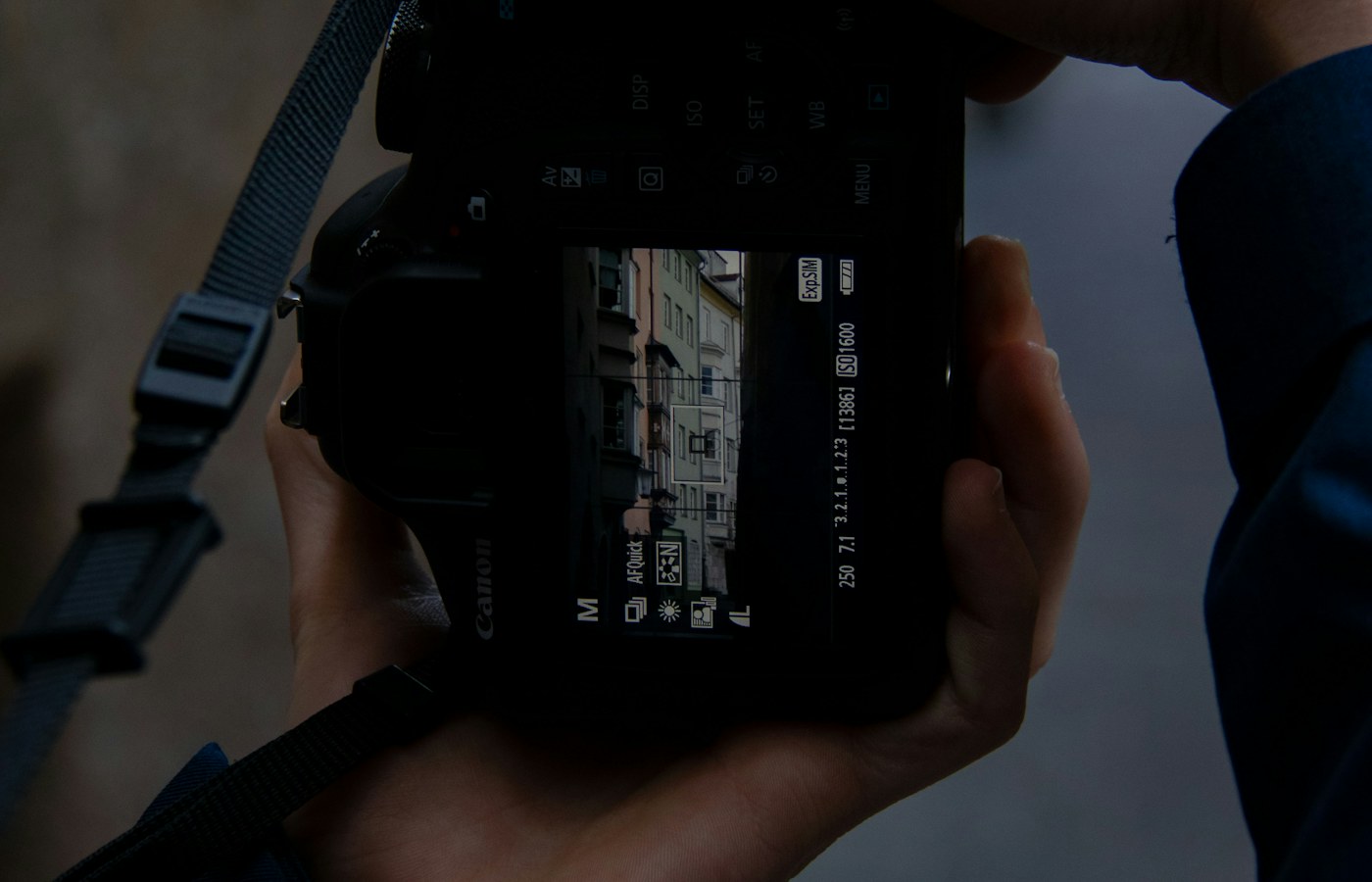
Use one reference frame, a clear shutter priority, and deliberate adjustments to make manual exposure less distracting.
A small overview can reveal stronger sequences, missed variety, and duplicate frames that individual previews conceal.
Keep a master, make a purposeful delivery copy, and check what actually reaches the viewer.
Separate camera originals, working media, project files, and deliveries so an edit remains recoverable after the deadline.
Capture the quiet character of a recording space so cuts feel continuous without hiding problems in the original sound.
Build a podcast edit around meaning, pacing, and transparent decisions before reaching for cleanup tools.
Make a careful capture, preserve context, and build an archive that relatives can understand without the original shoebox.